Home
About
Blog
Contact
Request Quote

[vc_row][vc_column][vc_column_text]Custom clearance refers to the process of getting goods through customs authorities in order to import or export them from a country. It involves compliance with various customs regulations, submitting necessary documents, paying relevant taxes, and completing necessary inspections.
A customs broker typically handles custom clearance by submitting the required documents and paying any applicable duties or taxes on behalf of the importer or exporter.
The custom broker ensures that the goods comply with the regulations and laws and also verifies the accuracy of the information provided on the declaration form.
The process of passing goods through customs authority to import or export from one country to another is known as customs clearance. There are different types of customs clearance, including:
The type of customs clearance required will depend on the nature of the goods being imported or exported, and the laws and regulations of the countries involved.
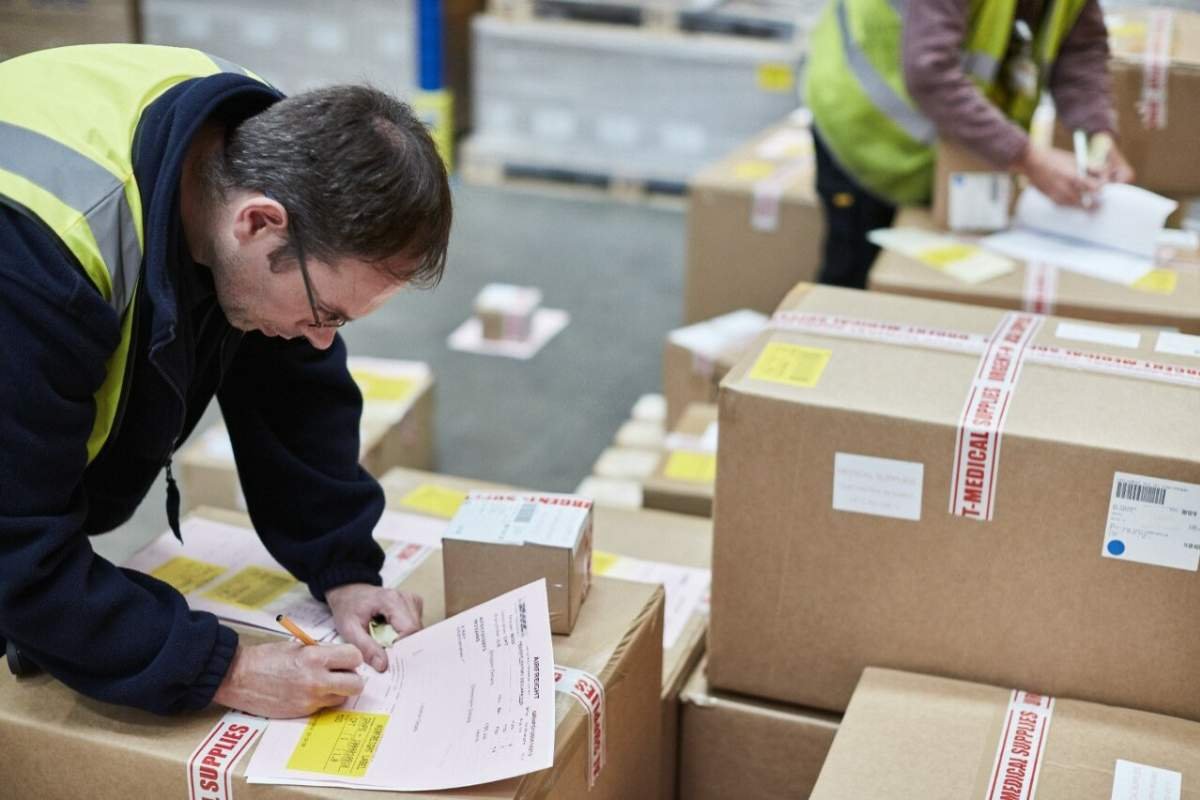
The Customs clearance process varies by country and goods type. Importers/exporters must provide documentation like commercial invoices, bills of lading & packing lists. Furthermore, a customs office will inspect the goods to confirm their authenticity and compliance with regulations. The process can vary from country to country, but generally involves the following steps:
The required customs clearance documents vary based on factors such as the origin/destination country, transportation mode, and type of goods. However, some common documents that are typically required for customs clearance include:
The type of goods being shipped and the country of import/export may determine the specific documents required. Consulting with customs authorities and seeking professional advice is crucial to ensure compliance with all requirements.
Overall, custom clearance is an important step in the import and export process. Compliance with regulations and laws is necessary to import and export goods, and it also assists governments in collecting revenue.[/vc_column_text][vc_row_inner][vc_column_inner][vc_column_text]
[/vc_column_text][vc_toggle title=”Q1: What is custom clearance?”]Ans: Custom clearance is the process of obtaining permission to bring goods into a country from an external source. Ensuring compliance with regulations and laws during import/export is a crucial step that we take seriously.[/vc_toggle][vc_toggle title=”Q2: Who is responsible for custom clearance?”]Ans: A customs broker handles customs clearance, submits necessary documentation, and pays duties or taxes on behalf of the importer or exporter. [/vc_toggle][vc_toggle title=”Q3: What are the documents required for custom clearance?”]Ans: The customs clearance documents, including the commercial invoice, bill of lading, and packing list, are usually provided by the importer or exporter. However, different countries and types of goods may have specific requirements that vary.[/vc_toggle][vc_toggle title=”Q4: How long does the custom clearance process take?”]Ans: Custom clearance process duration varies based on the type of goods and the country of import/export. It can take several days or even weeks to complete.[/vc_toggle][vc_toggle title=”Q5: What are the advantages of custom clearance?”]Ans: Custom clearance offers advantages like ensuring regulatory compliance of goods and enabling revenue collection from imports and exports.[/vc_toggle][vc_toggle title=”Q6: What are the disadvantages of custom clearance?”]Ans: Customs clearance has drawbacks, including a time-consuming process that demands extensive documentation and goods inspection. It can also be confusing and complex, particularly for those unaware of the country’s laws and regulations.[/vc_toggle][vc_toggle title=”Q7: How can I ensure a smooth custom clearance process?”]Ans: Reputable customs brokers, complete documentation, and readiness to pay duties/taxes can ensure smooth customs clearance.[/vc_toggle][/vc_column_inner][/vc_row_inner][/vc_column][/vc_row][vc_row][vc_column][vc_column_text][/vc_column_text][/vc_column][/vc_row]